Restaurants That Require Staff for Every Additional Order Are Losing Sales Opportunities During Their Busiest Hours
“Excuse me, we would like to order something else.”
For a restaurant owner, these should be some of the most welcome words to hear.
Additional orders are an excellent opportunity to increase average customer spending.
However, the reality on the restaurant floor is not so simple.
The lunch rush.
A busy weekend at an izakaya.
A cafe with every seat occupied.
Staff are serving food, clearing empty plates, handling payments, and seating new customers.
Between these tasks, they are repeatedly called over by other tables.
“Another beer, please.”
“We would also like an order of fries.”
“Is our previous order coming soon?”
“Excuse me, over here too.”
The more additional orders a restaurant receives, the more often staff must walk back and forth between tables.
During busy periods, simply taking orders can repeatedly interrupt the entire flow of front-of-house operations.
Additional Orders Create Revenue, but the Wrong Process Can Disrupt Operations
Additional orders are important for restaurants.
Customers who order one more dish or another drink naturally generate more revenue than those who leave after their initial order.
The problem is not the additional order itself.
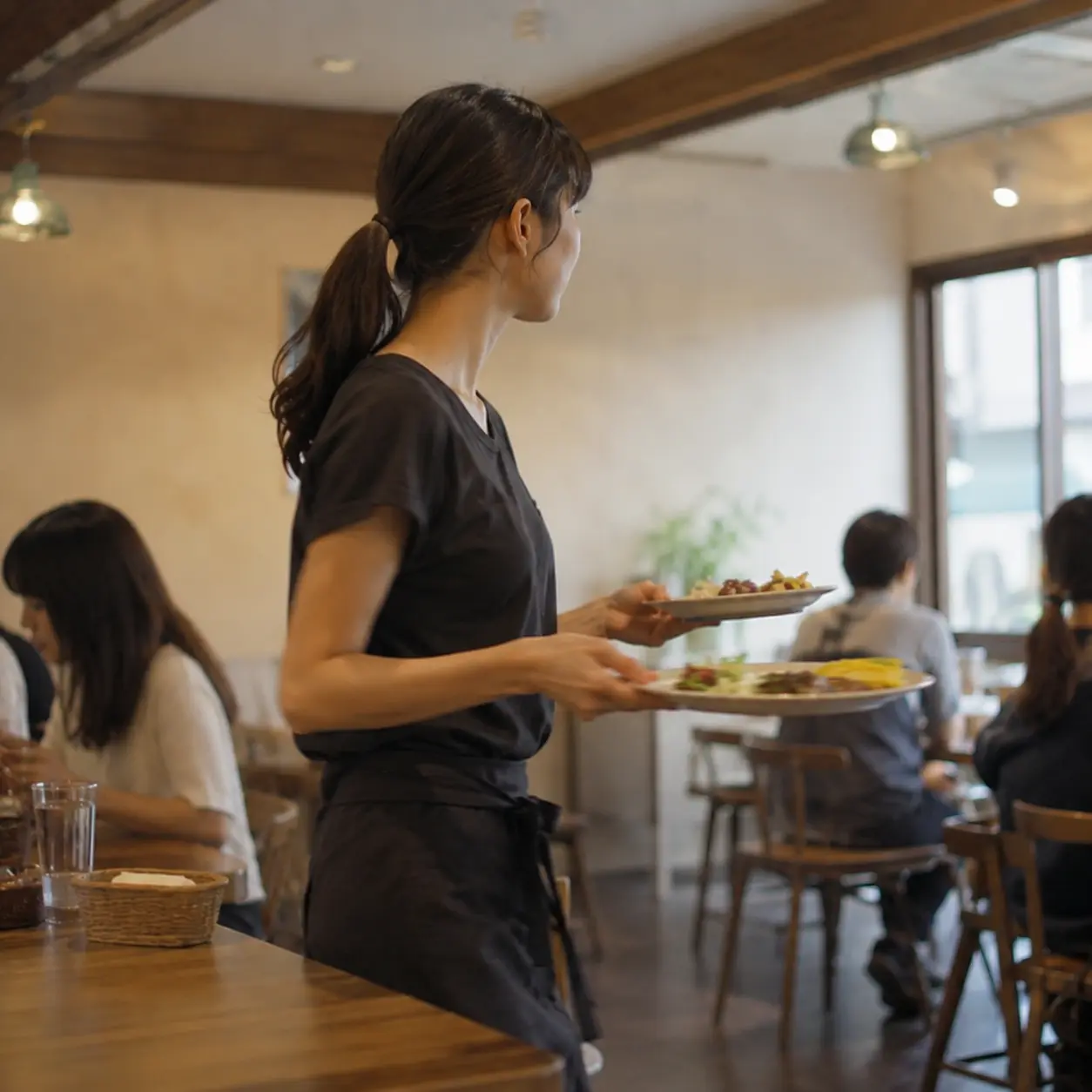
The problem is that every additional order requires staff to stop what they are doing and walk to the table.
A customer calls a staff member.
The staff member notices.
They walk to the table.
They listen to the order.
They pass it to the kitchen or bar.
As they begin to walk away, another table calls them over.
When this sequence happens repeatedly during peak hours, restaurant operations become fragmented into a series of small interruptions.
Food service slows down.
The checkout area becomes congested.
Table clearing is delayed.
New customers cannot be seated.
Staff begin to look visibly overwhelmed.
Additional orders are therefore a double-edged sword. They create revenue, but when handled inefficiently, they can also increase pressure across the entire restaurant.
Customers Become Frustrated When Staff Do Not Arrive
From the restaurant’s perspective, it may feel as though customers are calling staff too often.
From the customer’s perspective, however, it feels as though no one comes when they call.
This is not the staff’s fault.
During busy periods, everyone is already working at full capacity.
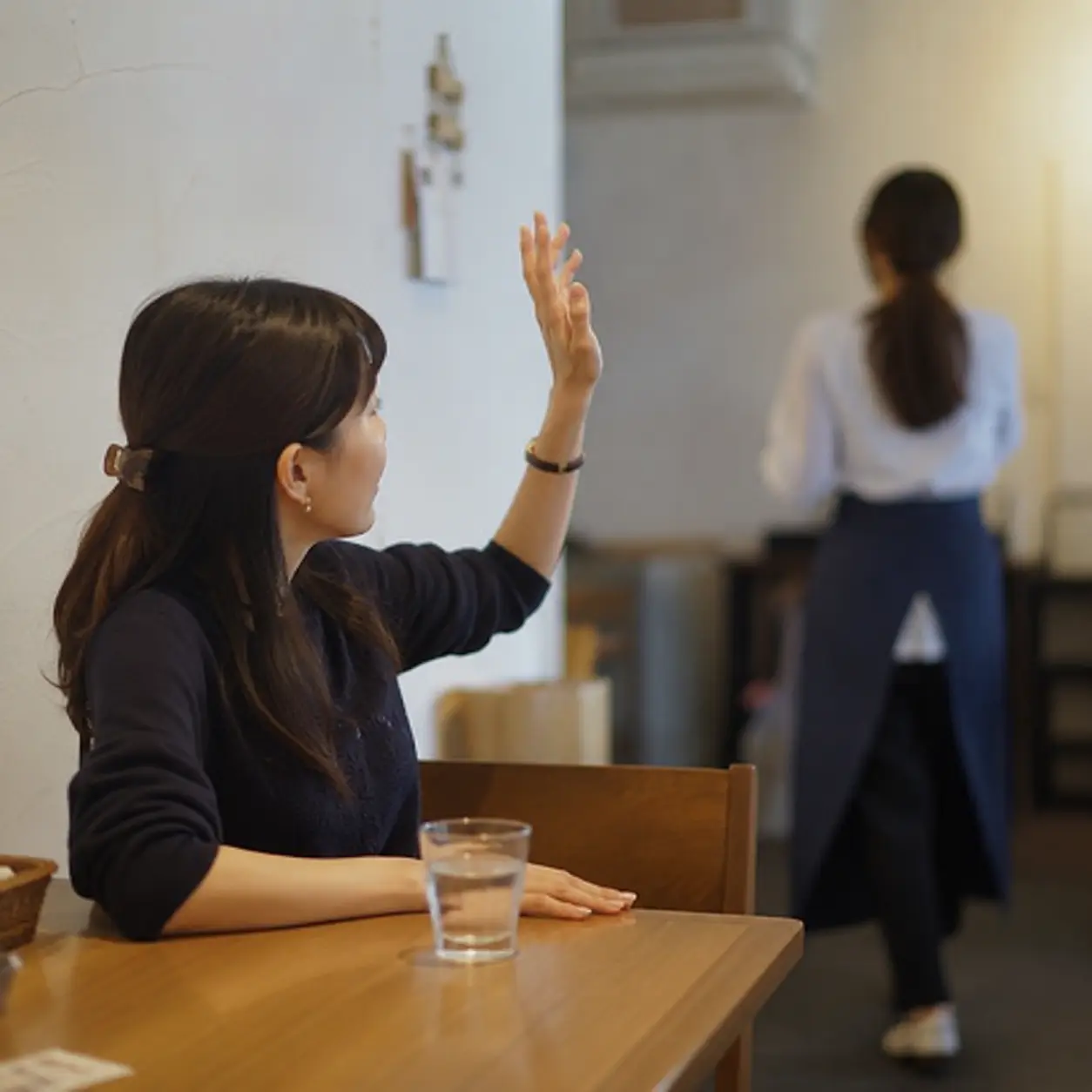
A customer raises a hand.
The staff member is walking toward another table.
The customer calls again.
No one makes eye contact.
Their desire to place another order gradually fades.
These small delays are difficult for the restaurant to notice.
However, because of them:
Opportunities for additional orders quietly disappear.
“Never mind.”
“It is too much trouble. Let’s just pay.”
“We can have another drink somewhere else.”
When customers cannot order at the moment they want something, the restaurant loses one of its most valuable sales opportunities.
Hiring One More Person Is No Longer a Simple Solution
In the past, a restaurant might have solved this problem by adding another front-of-house employee during busy hours.
For restaurants operating in 2026, that is no longer an easy decision.
Recruitment itself is difficult.
Even after hiring someone, training takes time.
Hourly wages continue to rise.
Staff availability is often inconsistent.
Small restaurants may understand that:
“One more person would make things easier.”
However, keeping that extra person available for every shift is not always realistic.
This is why restaurants now need to focus on:
Reducing unnecessary trips that staff should not need to make.
One of the most effective ways to do this is to change how additional orders are received.
Let Customers Place Additional Orders Directly From Their Phones
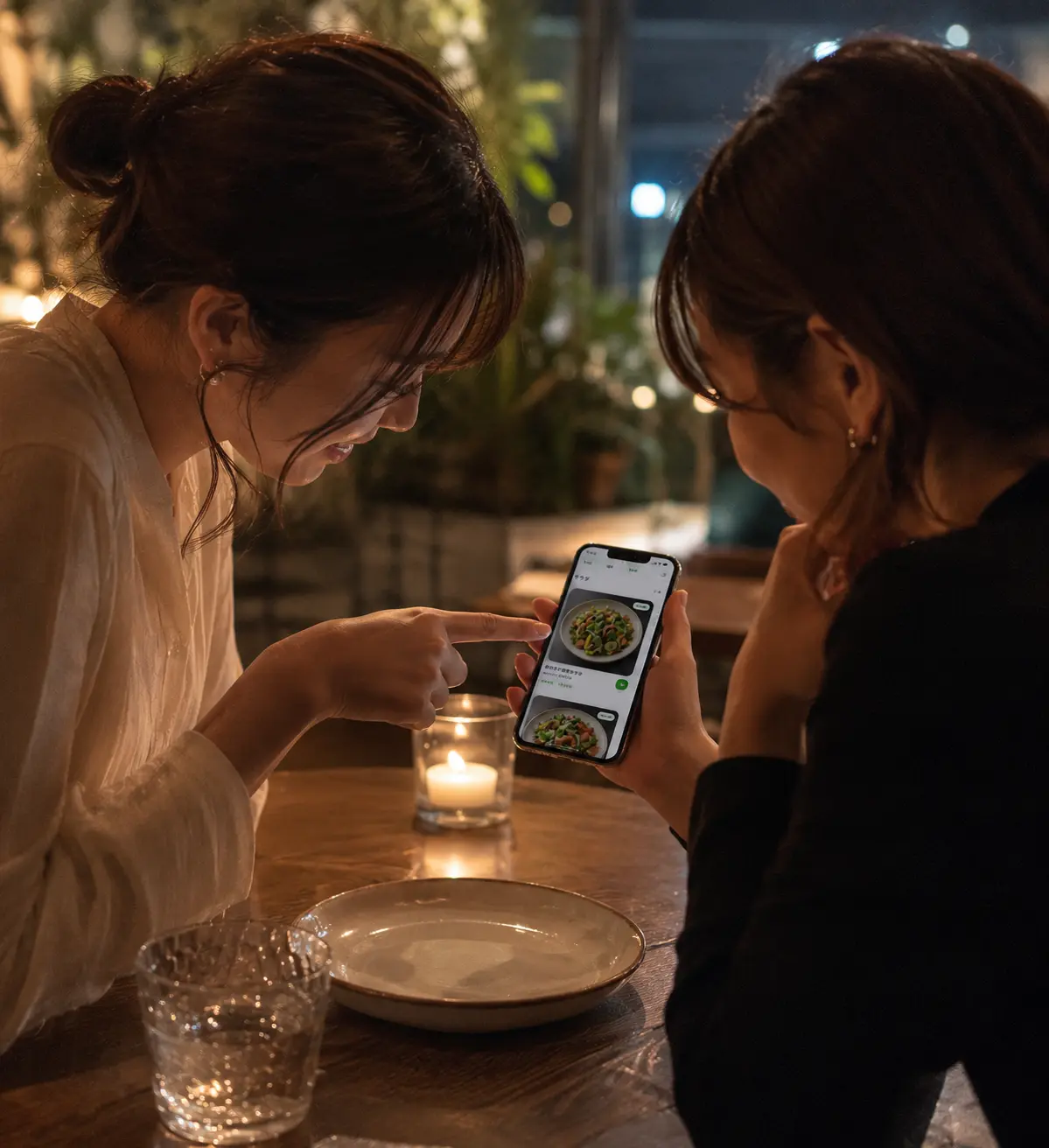
With QR ordering, customers can open the menu on their own smartphones and place additional orders directly.
They do not need to search for a staff member.
They do not need to raise a hand and wait.
When they think:
“I want another drink now.”
“I would like something else to eat.”
They can complete the order immediately.
The restaurant can review the order in real time.
Front-of-house staff no longer need to walk to the table simply to take the order.
This does not mean customer service is no longer necessary.
Staff still need to serve food.
Observe customers.
Offer help to tables that need assistance.
Talk with regular customers.
Create the atmosphere of the restaurant.
These are tasks that only people can perform, and staff should have enough time to do them properly.
QR ordering should not reduce customer service itself.
It should reduce:
Unnecessary trips made only to take an order.
Restaurants With Frequent Additional Orders See the Greatest Benefits
QR ordering is particularly effective for restaurant types where customers frequently order more after the initial order.
- Izakayas
- Cafes
- Yakiniku restaurants
- Casual set-meal restaurants
- Small-plate restaurants
- Restaurants with frequent drink orders
- Owner-operated or small-team restaurants
At these restaurants, orders continue throughout the customer’s visit.
Because the interaction does not end with the initial order, the number of times staff must respond can quickly increase.
When staff are called over for every additional item, the restaurant becomes increasingly difficult to manage during its busiest periods.
With QR ordering, customers can place additional orders whenever they are ready, while staff can focus on serving food, clearing tables, and processing payments.
As a result, the restaurant can maintain a smoother flow even with fewer employees.
Qroda Lets Small Restaurants Get Started Immediately
Qroda is a QR ordering system designed to be practical and easy to use for small restaurants.
- Customers open the menu by scanning a QR code and place orders directly from their smartphones.
- Restaurant staff monitor incoming orders in real time from a smartphone or tablet.
- The system clearly organizes which table ordered each item and the quantity requested on a single screen.
There is no need to purchase a large number of expensive dedicated terminals.
There is also no initial setup fee.
Restaurants can begin using the service with the smartphones and tablets they already have.
Menu updates are also simple.
There is no need to reprint paper menus. Sold-out items, price changes, and seasonal dishes can be updated immediately on screen.
For a small restaurant, the goal is not to install a large and complicated system.
The goal is to create a workflow that the current team can manage without unnecessary pressure.
Move From Constantly Being Called Over to Receiving Orders Naturally
Additional orders should be a positive sign for any restaurant.
However, when staff are called over every time a customer wants something else, the team becomes increasingly exhausted during busy periods.
Customers are forced to wait.
The restaurant loses sales.
There is no need to reduce the number of additional orders.
What should be reduced is:
The unnecessary back-and-forth required to receive them.
Customers can order at their preferred time.
Staff can reduce the number of trips made solely to take orders.
The restaurant can maintain a smoother flow even with a small team.
This is the practical reason for introducing QR ordering.
Qroda is a QR menu and order management service designed for small restaurants.
It is suitable for businesses that want to simplify order monitoring and reduce the burden of sharing information between staff during busy periods.
Start with a free trial and see how much the flow of your restaurant can improve.

