
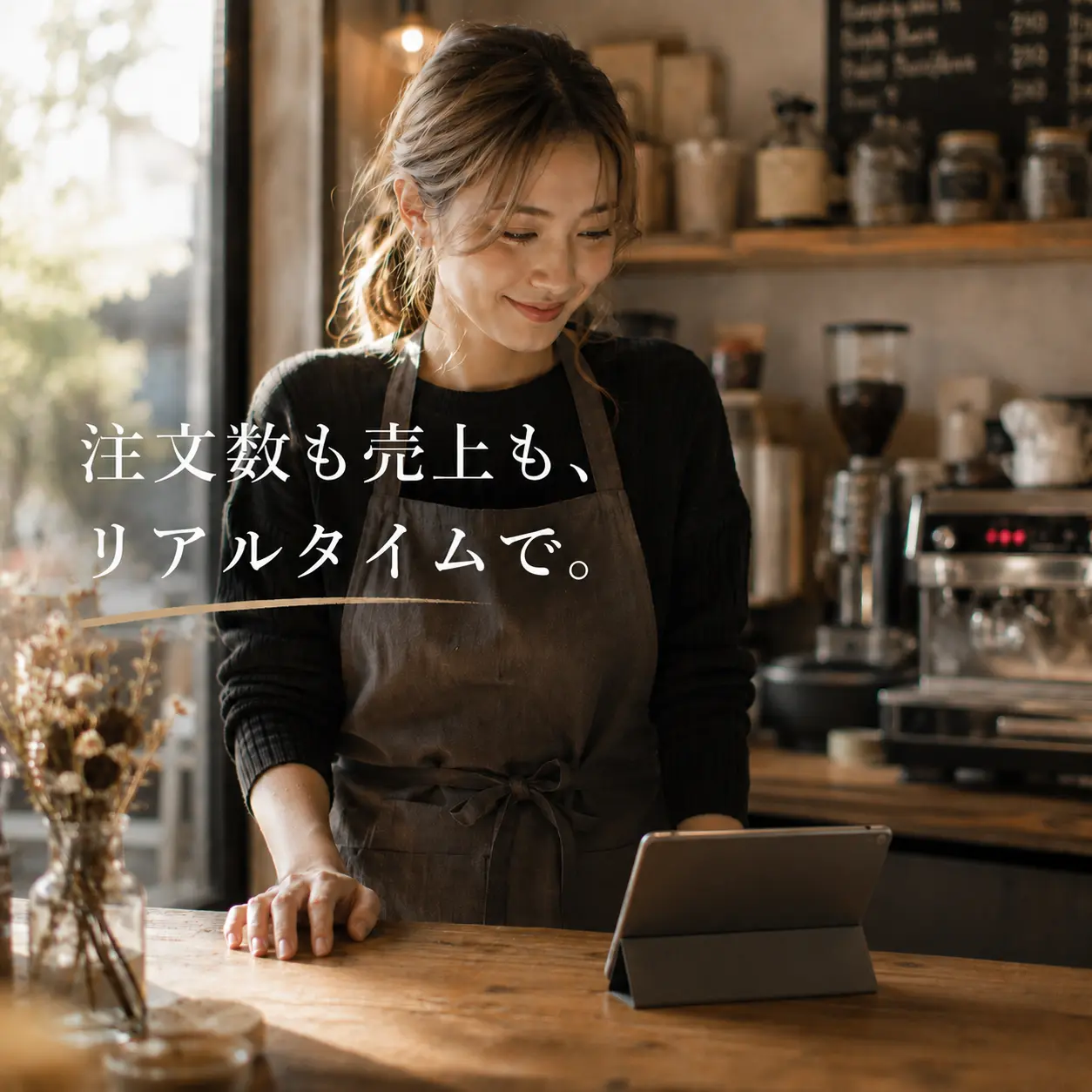
Do Not Rely on Instinct Alone: Why Small Restaurants Need Real-Time Order Data
A restaurant owner’s instinct and experience are extremely valuable.
“This item will probably sell well today.”
“It is raining, so we should prepare a little less.”
“This time of day is always busy on weekends.”
Owners who have worked in their restaurants for many years naturally develop this kind of judgment. In many cases, that experience is one of the reasons the business has survived for so long.
However, there are now more situations where instinct alone is not enough.
Ingredient costs are rising.
Labor costs are increasing.
Staff shortages are becoming persistent.
Customer behavior and trends can change from one day to the next.
In this environment, decisions such as “let’s prepare a little extra” or “this will probably sell” can easily lead to excess inventory, food waste, or missed sales opportunities.
In Japan, approximately 4.64 million tonnes of food waste were generated in fiscal year 2023, including around 2.31 million tonnes from businesses. For restaurants, improving the accuracy of preparation and inventory management is therefore directly connected to improving profitability.
Instinct Is a Valuable Asset, but It Cannot Show Everything
An owner’s instinct is one of the most valuable assets supporting a restaurant.
However, instinct is generally based on past experience. Customer behavior today may not be the same as it was yesterday or last year.
For example, it is difficult to measure the following accurately through intuition alone:
- The exact time periods when orders were concentrated today
- How many times each item was ordered
- Which products sold less than expected
- Whether staff noticed that a popular item was close to selling out
- How ordering patterns differed between lunch and dinner
This information directly affects daily operating decisions.
“How much of each item should we prepare?”
“Which menu items should we keep, and which should we prepare in larger quantities?”
“Which tasks should we simplify on days with fewer staff?”
For a small restaurant, all of these decisions can have a direct effect on profit.
Real-Time Data Makes Decisions Faster and More Accurate
The goal is not to create complicated or impressive analytical reports.
Small restaurants need simple information they can use immediately.
- What customers are ordering right now
- How many units of each item have sold today
- Which products are not selling at all
Simply seeing this information during service or immediately afterward can improve the quality of decision-making.
For example, when a menu item is selling faster than expected, staff can decide to prepare more before it runs out. If another item is selling poorly, the restaurant can reduce the amount purchased for the following day.
Reviewing actual data during or immediately after service is far more accurate than trying to remember what happened after closing.
There is no need to abandon instinct. Decisions become more accurate when instinct is supported by facts.
One Poor Decision Has a Greater Impact on a Small Restaurant
A large restaurant chain may be able to absorb a certain amount of food waste or forecasting error across the wider organization.
A small restaurant cannot do this as easily.
- Preparing too much directly creates food waste.
- Preparing too little leads to sold-out items and lost sales.
- When orders surge on a day with limited staff, service slows and customer satisfaction declines.
This means that small daily decisions can determine whether a small restaurant succeeds or struggles.
In recent years, the use of data and greater operational visibility have become increasingly important for improving the competitiveness of small and medium-sized businesses. Companies that use data in management decisions are generally better positioned to improve efficiency and refine their operations.
This is why restaurant owners should review actual order data alongside their own experience.
The goal is not to reject instinct.
It is to strengthen instinct with data.
Three Situations Where Order Data Is Especially Valuable
1. Optimizing Purchasing and Preparation
When a restaurant knows exactly how many times each item was ordered, planning the next day’s purchasing and preparation becomes easier.
Instead of saying, “That item sold well yesterday,” the owner can say, “We sold exactly this many units yesterday.”
This makes decisions more specific and helps reduce both overproduction and sold-out items.
2. Identifying Truly Popular Items and Underperforming Products
The items an owner believes are popular are not always the items customers order most often.
Order data makes it possible to confirm performance using facts rather than impressions.
Frequently ordered items can be promoted more clearly.
Items that are not selling can be reviewed by changing their names, photos, prices, or descriptions.
In some cases, the restaurant may decide to simplify the menu.
The data provides a clear starting point for these improvements.
3. Preparing for Peak Hours and Improving Efficiency
When a restaurant understands when orders are concentrated and which items are most popular at those times, it can prepare more effectively before service begins.
Items that sell frequently during busy periods can be prepared in advance.
On days with fewer staff, easy-to-serve dishes can be displayed more prominently.
Ingredients that may run low can be checked before the rush begins.
Real-time order information helps staff respond earlier and keeps operations running more smoothly.
Qroda Makes It Easy to Keep Useful Data for Daily Decisions
Qroda makes it easy to retain the information needed for everyday decisions.
No advanced analytical knowledge is required.
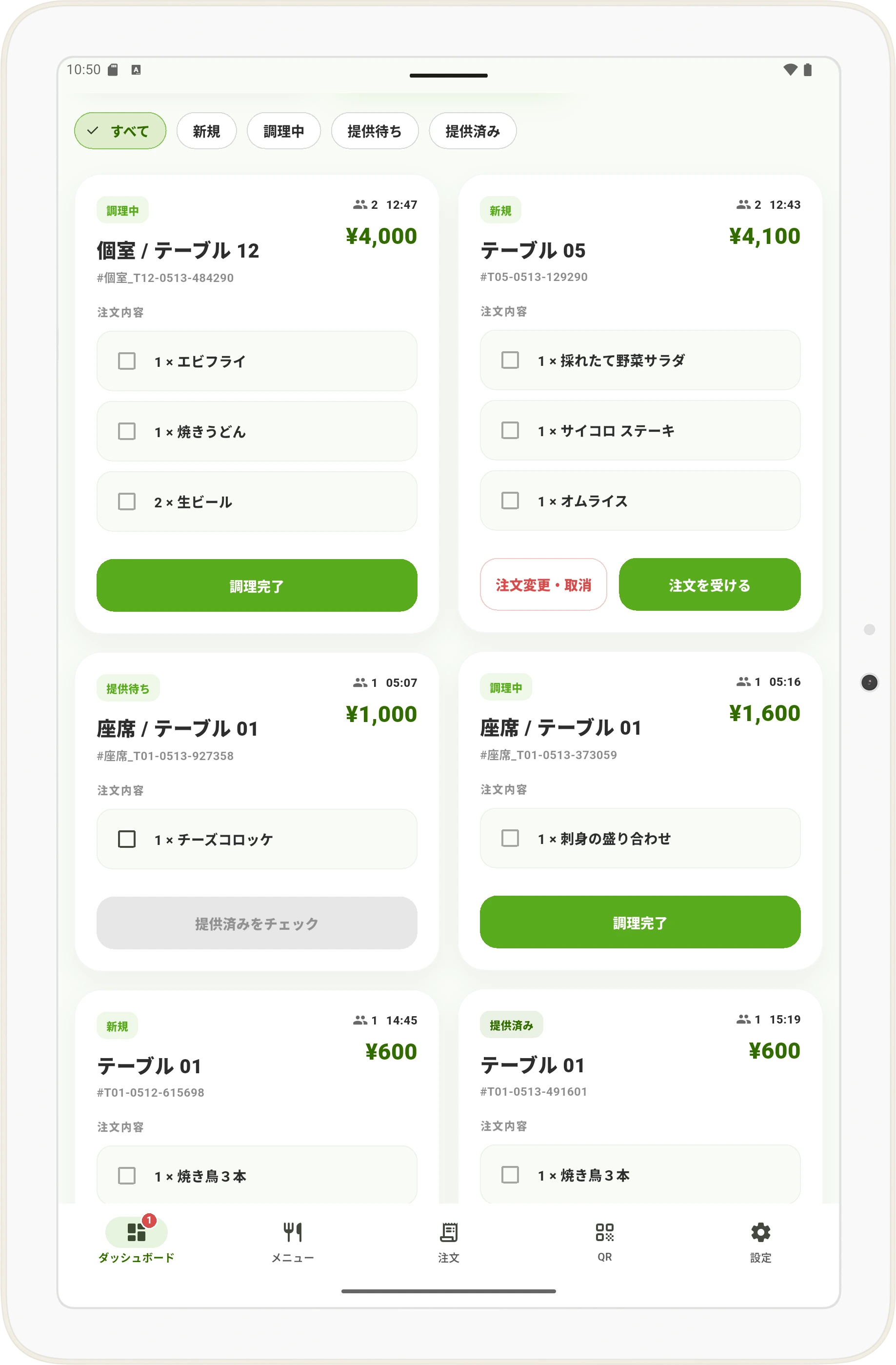
In addition to monitoring orders in real time, restaurants can review between 7 and 30 days of historical data, depending on the plan.
- What sold yesterday?
- Which items were ordered most often this week?
- Are there products that sell only on weekends?
- Which items are being ordered less often than expected?
Having this information available makes purchasing and preparation decisions for the next day much easier.
Move From Instinct to Instinct Supported by Facts
There is no question that an owner’s judgment remains essential in restaurant management.
However, when that judgment is combined with actual order data, decisions become significantly more accurate.
- Do not decide based only on instinct; check the actual number of orders.
- Do not prepare food based on a vague impression; review recent ordering trends.
- Do not rely on the feeling that an item is popular; confirm which products customers are actually ordering.
For a small restaurant, this difference can be substantial.
Qroda is not only a system for receiving orders.
It is also a tool that makes daily restaurant activity visible and gives owners the information they need to make faster, more accurate decisions.
Making each small daily decision more reliable is the greatest value of using real-time order data.

