Too Many Menu Items Can Hide Your Profits: The Hidden Costs Restaurants Should Review
Restaurant menus tend to grow without anyone noticing.
“A customer requested it.”
“It was popular when we offered it as a seasonal special.”
“Other restaurants serve it too.”
“We thought customers would appreciate having more choices.”
Each reason sounds reasonable. There is nothing inherently wrong with adding a new item.
However, every time the menu grows, less visible operational burdens—hidden costs—begin to accumulate.
- Customers take longer to order, reducing table turnover.
- More preparation is required, making inventory management more complicated.
- Unsold ingredients and food waste become more likely.
- Staff have more information to learn, increasing training time.
A large menu is not always a restaurant’s strength.
In fact, a menu that has become too difficult to manage can be one of the main reasons profits become harder to see.
The More Choices Customers Have, the Longer the Restaurant Has to Wait
When restaurants add new items, they often think:
“Customers will be happier if they have more choices.”
A reasonable level of choice is certainly important.
However, when there are too many options, customers may struggle to decide.
During lunch hours or busy weekends, customers who spend a long time studying the menu delay the entire ordering process.
Even when a staff member comes to take the order, customers may say:
“Could you give us a little more time?”
“What do you recommend?”
“What is the difference between these two dishes?”
These conversations are an important part of good customer service. However, during busy periods, this pre-order decision time can create congestion throughout the restaurant.
Food service slows down.
Tables take longer to clear.
The checkout area becomes crowded.
New customers cannot be seated.
In restaurants with oversized menus, this delay before ordering quietly reduces the number of sales opportunities available throughout the day.
Occasionally Ordered Items Consume Inventory and Training Resources
It is usually easy to remove an item that never sells.
The difficult items are those that sell only occasionally.
“Some customers really like this dish.”
“They may be disappointed if we remove it.”
“It might become popular again.”
These concerns are understandable.
However, items that sell only occasionally often create the greatest complications for inventory management and daily operations.
Because demand is unpredictable, the kitchen may prepare more ingredients than necessary.
When the item does not sell, those ingredients remain in storage and may become waste several days later.
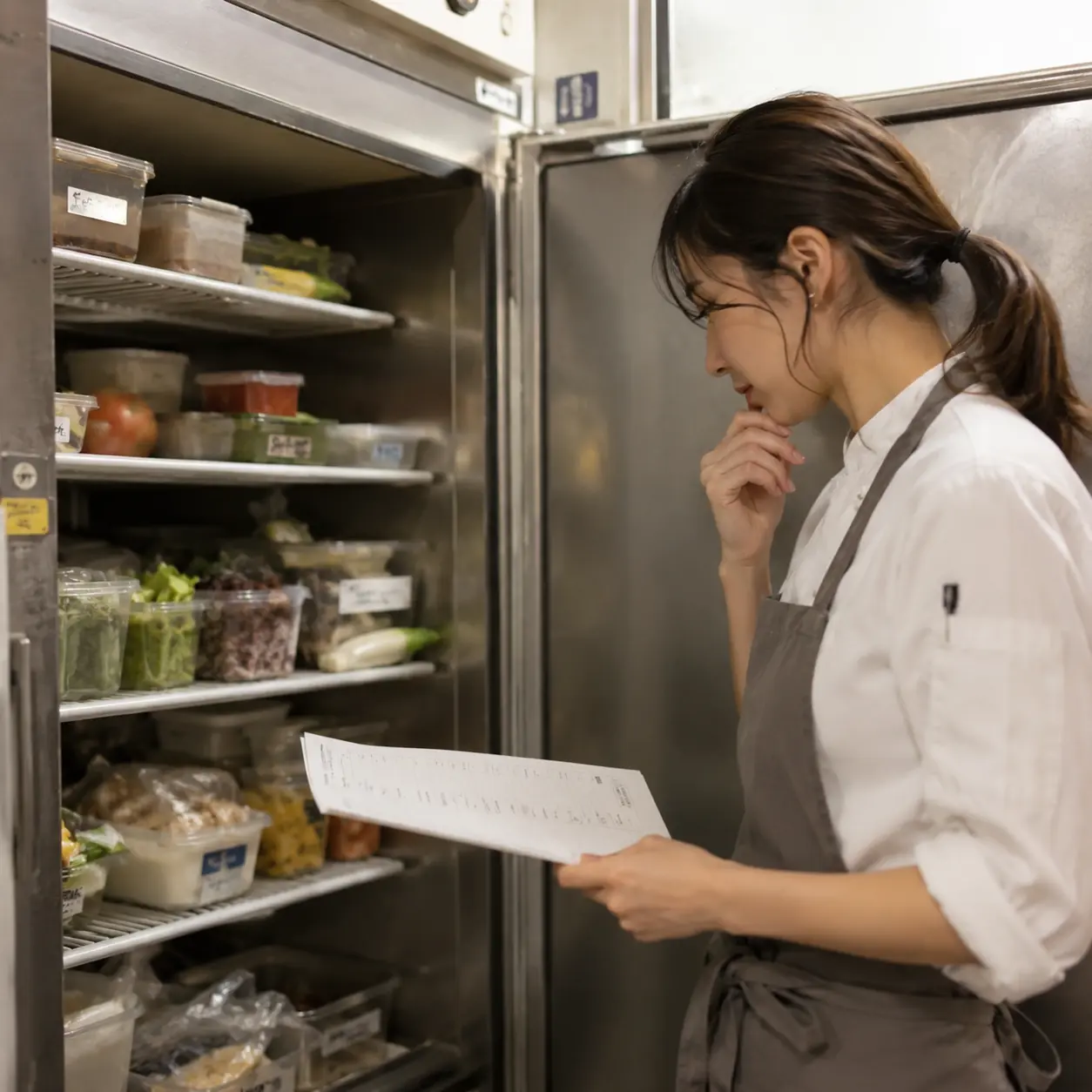
These small amounts of extra preparation accumulate, making refrigerators and storage areas increasingly difficult to manage.
Staff training also becomes more demanding.
Employees must remember the dish name, ingredients, price, serving method, sold-out procedure, and topping rules.
In restaurants with large menus, the amount of information staff must learn can quickly become excessive.
This is a form of hidden labor cost that rarely appears clearly in financial reports.
Employees may repeatedly hesitate or ask the kitchen for confirmation because of an item that is ordered only a few times each month.
Printed Menus Make Reviews and Updates Too Slow
Printed menus are another reason menu management becomes difficult.
Changing a price.
Marking an item as sold out.
Adding a seasonal product.
Temporarily pausing sales.
With printed menus, every change requires editing, printing, and replacing the existing materials.
As a result, restaurants often delay necessary updates.
“We can leave it as it is for now.”
“We will fix it during the next print run.”
“We will explain that it is sold out when customers order.”
These small delays gradually make menu management more burdensome.
A restaurant may postpone increasing the price of an item after ingredient costs rise, reducing its profit margin.
A customer may place an order only to be told that the item is unavailable, creating an uncomfortable interaction for both the customer and the staff.
A menu is not something that should be created once and left unchanged.
It needs to be reviewed and updated in real time according to the restaurant’s daily operating conditions.
Qroda Helps Restaurants Optimize Menus, Not Simply Reduce Them
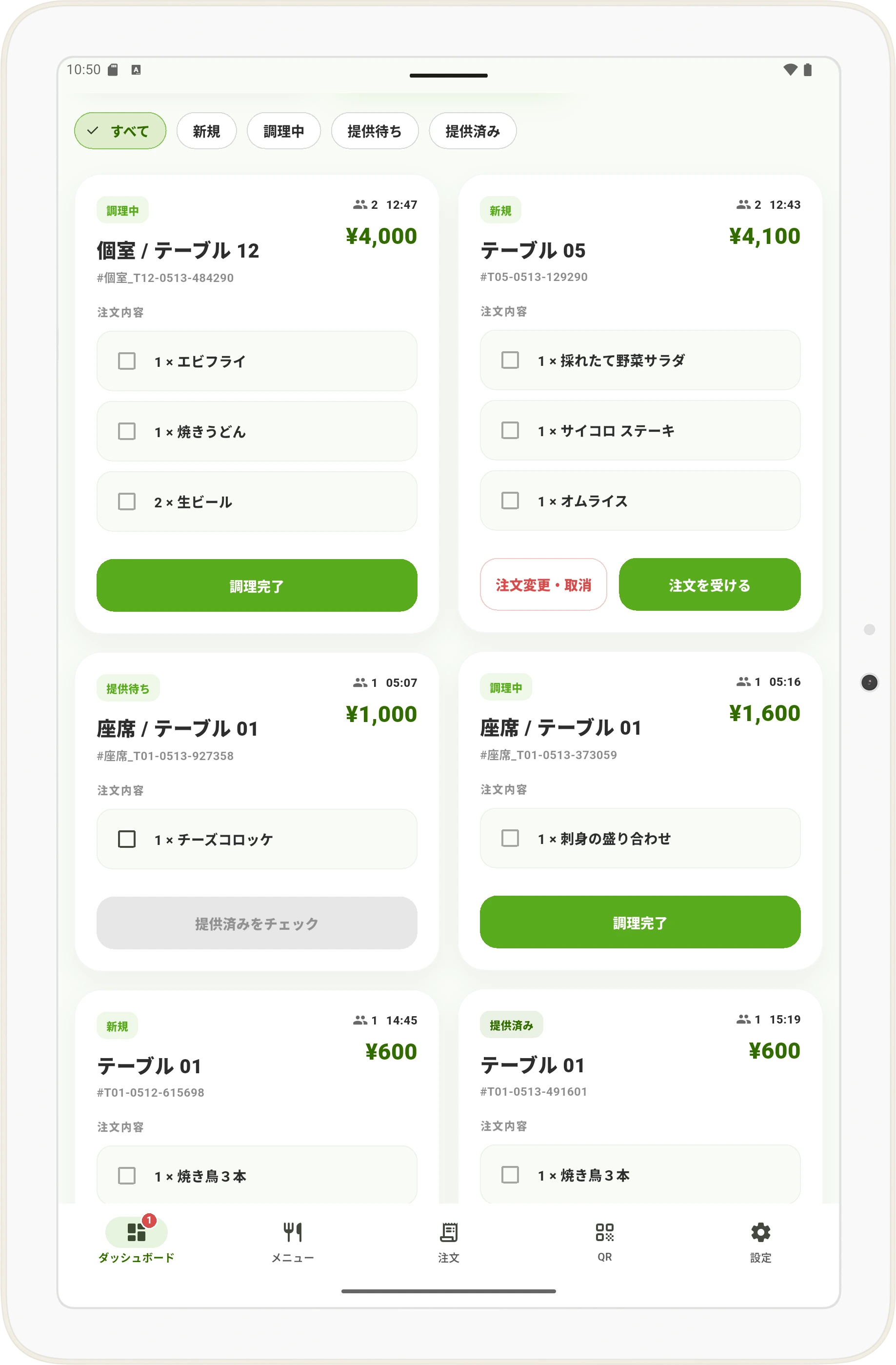
This is where Qroda, a QR menu and ordering system for restaurants, can help.
Qroda’s value is not limited to allowing customers to order by scanning a QR code.
Its real advantage is that restaurants can optimize their menus immediately without printing new materials.
-
Real-time display control Popular dishes can be highlighted with stronger photos and descriptions. Items that create a heavier operational burden can be hidden or offered in limited quantities.
-
Immediate price updates Prices can be updated in just a few taps from a smartphone or tablet when ingredient costs change.
-
Instant sold-out updates Sold-out items can be reflected immediately, reducing unnecessary conversations caused by discovering that an item is unavailable after an order has already been placed.
Before adding more items, restaurants should first organize their existing menus so that dishes are easier to sell, prepare, and manage.
Qroda provides the flexibility required to support this type of operation.
Start by Dividing Your Existing Menu Into Three Groups
Menu organization does not need to be complicated.
Start by dividing your current menu items into the following three groups:
- Popular items that form the core of the restaurant
- Items that sell occasionally but require significant preparation or inventory
- Items that rarely sell but remain on the menu without a clear reason
Simply reviewing these three groups can make areas for improvement much clearer.
- For Group 1, improve the photos and descriptions so customers can choose these items more easily.
- For Group 2, offer the items only on specific days or in limited quantities to reduce inventory risk.
- For Group 3, temporarily hide the items and monitor the results.
These changes alone can reduce preparation requirements and make decisions easier for staff.
Organize the Menu Before Expanding It
Continuing to manage a menu is far more difficult than adding new items to it.
Every additional item creates hidden costs related to preparation, purchasing, inventory, explanations, price changes, and sold-out procedures.
When restaurants continue expanding their menus without considering these burdens, sales may appear to increase while very little profit remains at the end of the month.
Restaurants do not need to create the appearance of endless variety.
They need menus that are easy for customers to understand, easy for staff to manage, easy for the kitchen to prepare, and easy for the business to control.
Qroda can be started without an initial setup fee, allowing restaurants to organize and operate their menus immediately from a smartphone or tablet.
“Our menu has become too large and difficult to manage.”
“Updating printed menus every time an item sells out or a price changes is frustrating.”
“We want to reduce confusion around orders and focus more on customer service.”
For restaurants facing these problems, Qroda provides a practical way to reorganize the current menu.
Before adding more items, organize what you already have.
That change alone can significantly improve both restaurant operations and profitability.

