Why Repeatedly Asking “Are You Ready to Order?” Makes Customers Feel Rushed
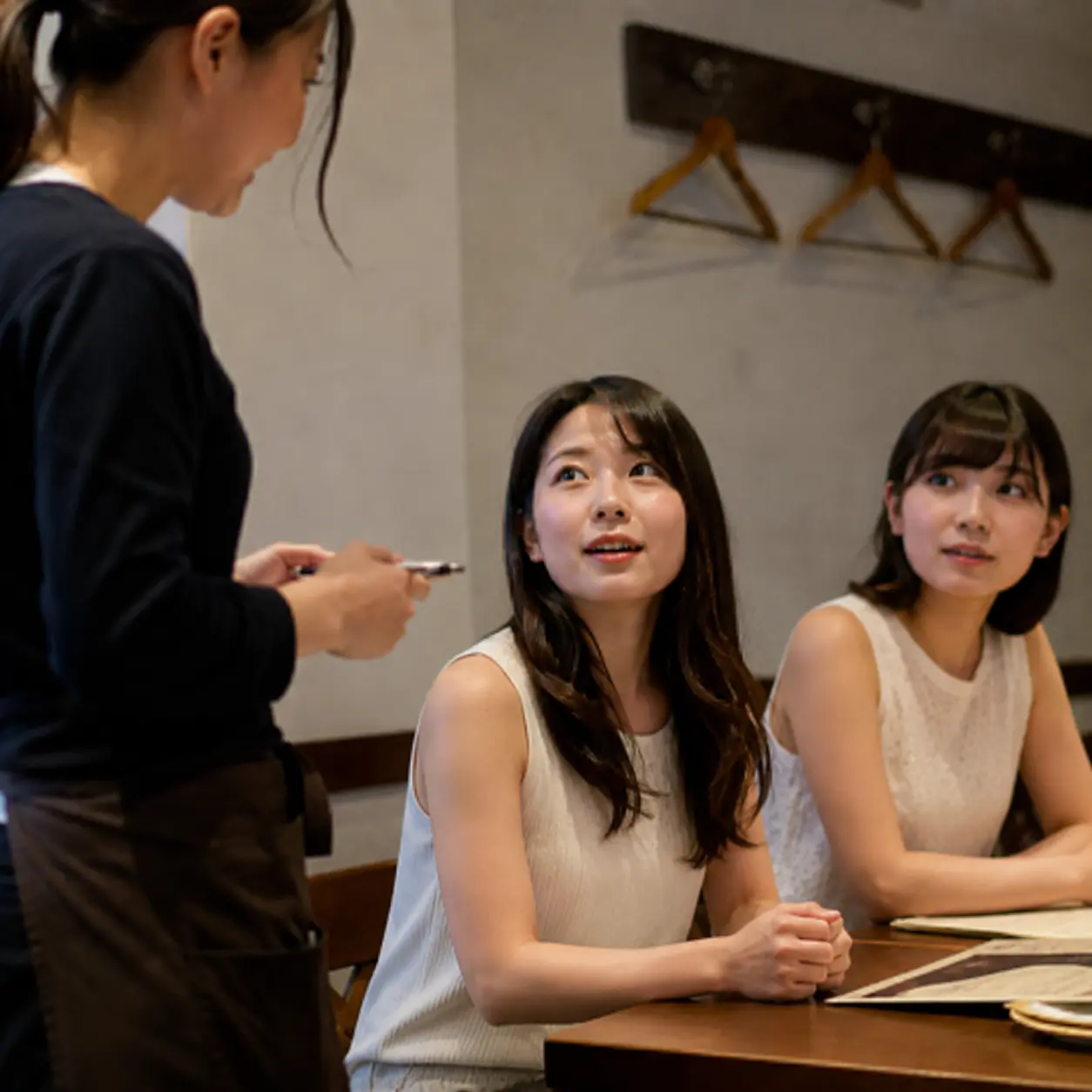
In many restaurants, staff approach customers shortly after they are seated and ask:
“Have you decided on your drinks?”
This happens in bars, cafés, casual dining restaurants and full-service restaurants alike.
Although the businesses may be different, this approach is often treated as standard service.
From the restaurant’s perspective, it appears considerate and efficient.
- Staff want to take the order quickly
- Drinks can be served before the food
- The kitchen and dining room can begin moving smoothly
- During busy periods, every minute matters
These are all understandable reasons.
However, customers may experience the situation differently.
They have only just arrived.
They may still be putting down their bags.
They may be removing a coat.
They may have only just opened the menu.
They may have only just started asking each other, “What do you feel like having?”
Even when the question is phrased politely, asking for an order at that moment can create unconscious pressure.
Customers may think:
“I have not decided yet, but they are already asking.”
“Do I need to order quickly?”
“Am I expected to follow the restaurant’s pace?”
The Problem Is Not the Wording. It Is the Timing.
There is nothing inherently wrong with asking, “Are you ready to order?”
It is a common and polite expression in restaurant service.
But good service is not determined by wording alone.
Timing matters just as much.
A customer may still be:
- Comparing menu items
- Talking while reading the menu
- Taking a moment to decide
- Experiencing the restaurant for the first time
If staff repeatedly ask for the order during that period, customers cannot relax and consider the menu properly.
The restaurant may believe it is simply checking in.
The customer may hear something different:
“Please decide quickly.”
“Please place your order now.”
“Please do not stay at the table too long.”
A well-intentioned gesture can therefore feel like pressure.
That is where the gap between the restaurant’s intention and the customer’s experience begins.
Standard Service Practices Should Still Be Questioned
This is not necessarily the fault of an individual employee.
In many restaurants, the process has become part of the operating routine.
Seat the customers.
Bring water or towels.
Ask for drinks immediately.
Return after a few minutes and ask whether they are ready to order.
If not, return again shortly afterwards.
For the restaurant, this may feel normal.
- It has always been done this way
- Other restaurants do the same
- Asking early seems helpful
- Faster ordering appears to support revenue
However, established practices should still be reviewed.
A process that is efficient for the restaurant is not always comfortable for the customer.
Restaurants Sell Conversation as Well as Food
The first few minutes after customers sit down are important.
They settle into their seats.
They look around the room.
They open the menu.
They talk to the people they came with.
They consider what they would like to eat.
This is not simply time spent completing an ordering task.
It is the beginning of the dining experience and part of the time customers came to enjoy together.
When staff repeatedly ask for the order during those first few minutes, customers may feel rushed before they have had time to absorb the atmosphere.
First-time visitors may need longer to understand the menu.
Regular customers may want to try something different.
Friends and families may prefer to decide through conversation.
Repeated visits from staff can remove some of the enjoyment of choosing.
Having to say “We are not ready yet” several times also creates a small but repeated source of stress.
“Would You Like Anything Else?” Can Disrupt the Table
Pressure does not occur only at the beginning of the visit.
It can also happen during the meal.
The customers have finished some dishes.
There are empty plates on the table.
Their conversation is continuing.
A staff member approaches and asks:
“Would you like to order anything else?”
The restaurant has a clear reason for asking.
An additional order may increase average spend.
Approaching when plates are empty may appear to be a good sales opportunity.
However, interrupting customers while they are enjoying a conversation can break the atmosphere at the table.
The conversation stops.
Someone must respond.
The group loses its train of thought.
When the question comes immediately after staff notice an empty plate, some customers may also interpret it as:
“If you are staying, you should order something else.”
“If you have finished, please decide what to do next.”
“The restaurant wants to turn the table quickly.”
The staff member may have no such intention.
But the customer’s perception is what shapes the experience.
A sales-focused prompt can unintentionally reduce satisfaction and make customers less likely to return.
That is one of the risks of relying entirely on staff to decide when to ask for an order.
Qroda Gives Customers Control Over When They Order
Taking orders efficiently remains important for restaurants.
But customers should not have to order quickly simply because it suits the restaurant’s timing.
They should be able to:
Sit down and settle in.
Read the menu.
Talk to the people they came with.
Choose what they genuinely want.
Then place the order when they are ready.
Restaurants that support this flow tend to feel more comfortable and welcoming.
With Qroda, staff do not need to repeatedly visit the table and ask, “Are you ready to order?”
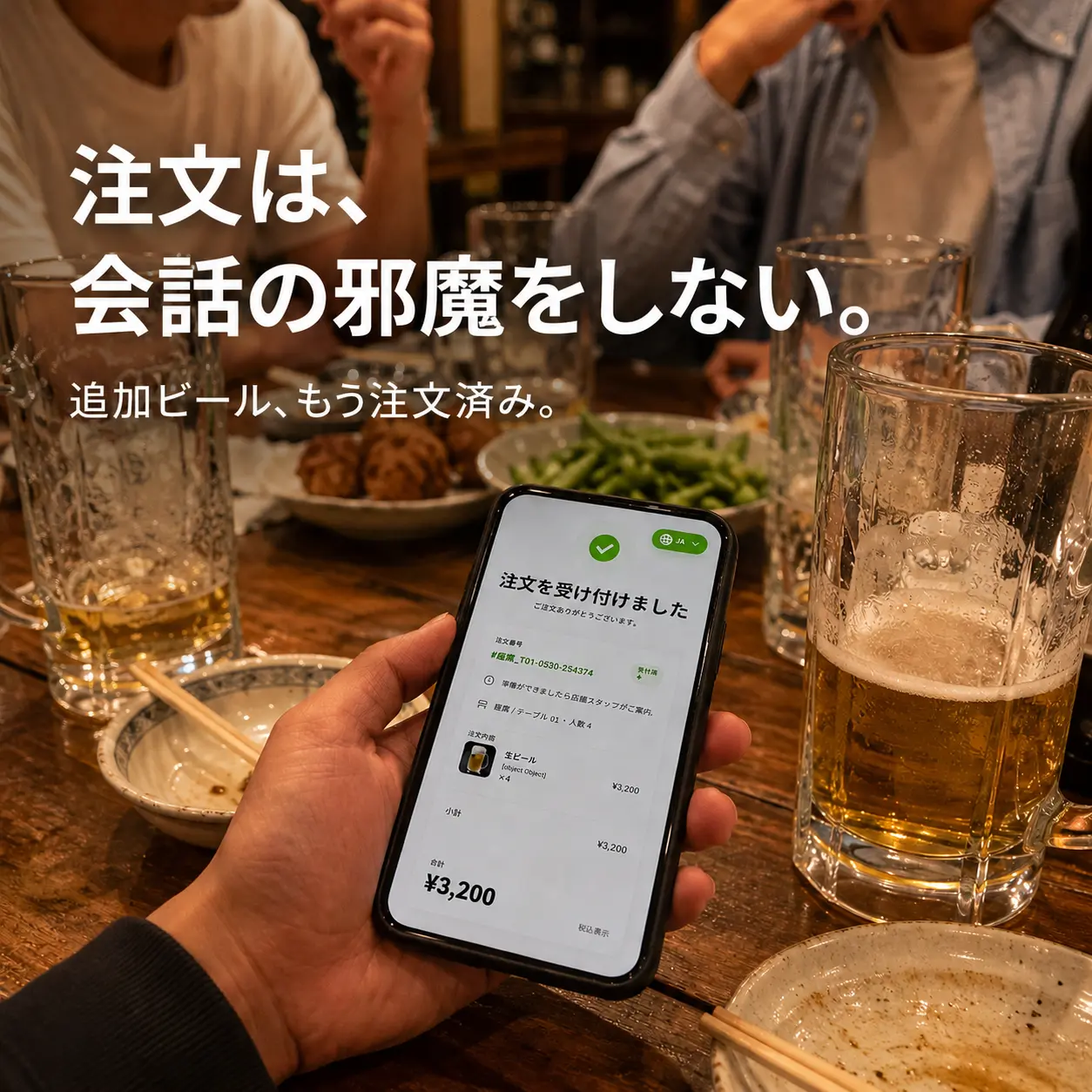
Customers can scan the QR code at the table, browse the menu and place their order whenever they decide.
They do not need to watch for a staff member.
They do not need to feel rushed.
Staff also have less need to interrupt a conversation by asking whether the table would like anything else.
Customers can place another order themselves when they want one.
Qroda is not designed to remove hospitality.
It is designed to reduce order-related interruptions that create pressure and give customers more time to enjoy their meal.
- Customers can choose at their own pace
- Conversations are not unnecessarily interrupted
- Orders can be placed whenever customers are ready
This kind of experience supports customer satisfaction.
Satisfied customers are more likely to think:
“I would like to come back.”
“I want to try something else next time.”
“I should bring my family or friends here.”
Revenue does not come only from taking orders as quickly as possible.
It also comes from creating an environment where customers feel comfortable.
That comfort can lead to repeat visits and long-term customer relationships.
Modern restaurants need to think beyond simply speeding up the ordering process.
They need to create an experience that customers want to return to.
Qroda is a QR ordering system that improves the customer ordering experience and helps restaurants become places customers want to visit again.

